Understanding Sports Broadcasting Fundamentals
What is Sports Broadcasting?
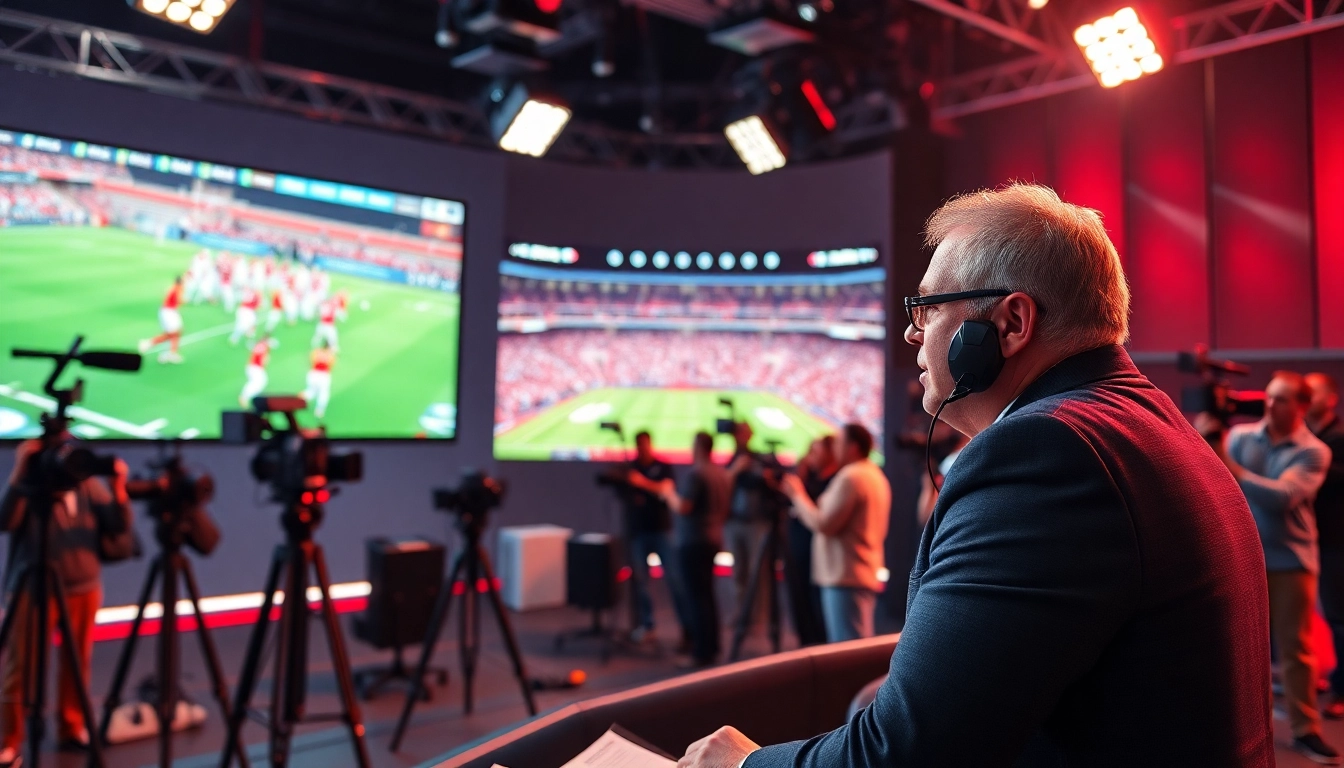
Sports broadcasting is the transmission of sports events on various platforms including television, radio, and online streaming services. It serves as a crucial bridge connecting sports fans to live events, offering commentary, analysis, and engagement. This dynamic field not only focuses on delivering updates but also enhances the viewing experience by adding storytelling elements and insights. The growth of the internet and social media has revolutionized Sports Broadcasting by introducing innovative formats and platforms that cater to a global audience.
Key Roles in Sports Broadcasting
Various professionals work together to create an engaging sports broadcast. Some key roles include:
- Commentators: Voices of the event, providing real-time analysis and play-by-play details.
- Analysts: Experts who offer in-depth insights, statistics, and post-game analyses, enhancing viewers’ understanding.
- Producers: They manage the overall production, coordinating between various teams, and ensuring smooth transitions and broadcasts.
- Camera operators: Essential for capturing the action, they ensure that the visuals align with the broadcast’s narrative.
- Technical crew: Responsible for maintaining the equipment and managing the broadcast’s technical aspects.
Popular Sports Broadcasting Formats
Several formats exist in sports broadcasting, catering to diverse audiences and their preferences:
- Live Event Coverage: The most traditional format, providing real-time coverage of events as they happen.
- Pre- and Post-Game Shows: These segments offer comprehensive analysis and discussions before and after events.
- Highlight Shows: Focus on key moments from multiple games, perfect for fans short on time.
- Podcasts and Webcasts: Increasingly popular, these formats allow for deeper discussions and analysis in a more casual setting.
- Social Media Streaming: Real-time updates and live streams on platforms like Instagram and Twitter appeal to a younger demographic.
Essential Skills for Sports Broadcasters
Communication Techniques in Sports Broadcasting
Effective communication is the bedrock of successful sports broadcasting. Broadcasters must articulate thoughts clearly and engagingly. Key techniques include:
- Clarity: Clear enunciation ensures that audiences understand the commentary, particularly during fast-paced events.
- Pausing: Strategic pauses can enhance storytelling, allowing the audience to absorb critical information.
- Engagement: Using questions or addressing viewers directly helps maintain viewer interest.
- Adaptability: Adjusting tone and style based on the event’s context is crucial, e.g., maintaining excitement during a critical moment.
Research Skills for Broadcasters
Research is fundamental to a broadcaster’s credibility. This includes understanding teams, players, and statistics. Key research skills include:
- Data Analysis: Interpreting player stats and game records to provide meaningful commentary.
- Historical Context: Exploring previous matchups and player histories to enrich the narrative.
- Current Trends: Staying updated with recent news, injuries, and strategies that could impact game outcomes.
Improving On-Air Presence
On-air presence merges vocal skills with physical demeanor. Tips to improve this aspect include:
- Confidence: A strong presence commands viewer attention; preparation is key to delivering confidently.
- Body Language: Positive body language, even in radio broadcasts, contributes to perceived enthusiasm.
- Authenticity: Being genuine in commentary builds trust with the audience.
Technology in Sports Broadcasting
Equipment Used in Sports Broadcasting
The technology behind sports broadcasting is constantly evolving. Key equipment includes:
- Cameras: High-definition cameras capture live action, while specialized cameras offer unique angles.
- Microphones: Quality microphones ensure clear audio for commentary and crowd reactions.
- Broadcast Software: Software for editing and mixing audio, graphics, and visual content for a seamless viewing experience.
- Graphics Systems: Systems that produce real-time statistics and visual effects to heighten engagement.
Emerging Technologies Impacting Sports Broadcasting
Emerging technologies are reshaping sports broadcasting in numerous ways:
- Virtual Reality (VR): Offers immersive viewing experiences, enabling fans to feel as if they are part of the action.
- Augmented Reality (AR): Enhances broadcasts with real-time graphics, providing viewers with additional information during matches.
- Artificial Intelligence (AI): Used for automating highlights and predicting game outcomes based on historical data.
Utilizing Social Media in Sports Broadcasting
Social media serves as a critical tool for enhancing sports broadcasting:
- Real-Time Updates: Broadcasters can share live updates and engage with fans during events.
- Fan Interaction: Encouraging fan contributions via social media can enrich the broadcast experience and build community.
- Promotion: Social media platforms are perfect for marketing upcoming broadcasts and events.
Challenges in Sports Broadcasting
Handling Live Broadcast Crises
Live broadcasts are unpredictable. Broadcasters must prepare for crises like technical difficulties or last-minute changes. Important strategies include:
- Preparedness: Have backup plans and equipment ready to be deployed quickly.
- Staying Calm: Maintaining composure will help reassure viewers during unexpected interruptions.
- Effective Communication: Providing clear updates during crises keeps viewers informed and engaged.
Ensuring Fairness in Sports Coverage
Bias in commentary can alienate audiences, so it’s vital for broadcasters to maintain fairness. Strategies to ensure unbiased coverage include:
- Balanced Reporting: Highlighting both teams’ strengths and weaknesses supports an impartial view.
- Diverse Perspectives: Including contributions from various analysts and commentators helps present multifaceted views.
Maintaining Audience Engagement
Keeping audiences engaged is a perpetual challenge in sports broadcasting. Techniques to enhance engagement include:
- Interactive Content: Utilize polls, quizzes, and social media interactions to engage viewers actively.
- Epic Storytelling: Craft compelling narratives that draw viewers into the emotional aspects of the games and athletes.
Measuring Success in Sports Broadcasting
Key Metrics for Broadcasters
Measuring success is essential for improvement. Key metrics include:
- Viewership Numbers: Total audience counts during events ground future content decisions.
- Engagement Rates: Analyzing interactions on social media provides insight into viewer interest and response.
- Conversion Rates: Conducting surveys to gauge audience satisfaction helps refine broadcast strategies.
Viewer Engagement Strategies
Strategies to boost viewer engagement should be multifaceted. Effective options include:
- Q&A Sessions: Host live sessions where audiences can ask questions, enhancing interaction.
- Behind-the-Scenes Content: Providing glimpses into the preparation and production processes helps viewers feel closer to the action.
Continuous Improvement for Sports Broadcasters
Broadcasting is a constantly evolving field which requires ongoing development. Strategies for continuous improvement include:
- Feedback Collection: Encouraging viewer feedback allows broadcasters to identify strengths and areas for enhancement.
- Professional Development: Pursue additional training and seminars focused on effective broadcasting and technology integration.
- Experimentation: Trying new formats and technologies will keep broadcasts fresh and engaging.
Frequently Asked Questions
What skills are essential for sports broadcasters?
Essential skills include effective communication, strong research ability, and improving on-air presence to engage audiences effectively.
How do broadcasters prepare for live events?
Preparation involves thorough research, technical checks, and developing scripting to ensure smooth and engaging broadcasts.
What technology is used in modern sports broadcasting?
Modern broadcasts utilize high-definition cameras, advanced audio equipment, graphics systems, and broadcast management software.
How can social media enhance sports broadcasting?
Social media allows for real-time updates, fan interaction, and promotion, significantly increasing audience engagement.
How is success measured in sports broadcasting?
Success is measured through viewership metrics, audience engagement rates on social media, and feedback from viewers regarding broadcast quality.